Best Ancaster General Contractor Near You
Choosing the Best General Contractor: Guidance for a Successful Home Remodel
Identifying the best general contractor is vital for a successful home renovation. Homeowners often face obstacles in finding qualified professionals. Defining renovation goals is the primary step. Next, they must investigate various avenues to locate reliable contractors. Essential credentials and proper communication are important factors in the evaluation process. As homeowners set out on this endeavor, grasping key aspects can lead to thoughtful decisions. The path forward may define the whole renovation experience.
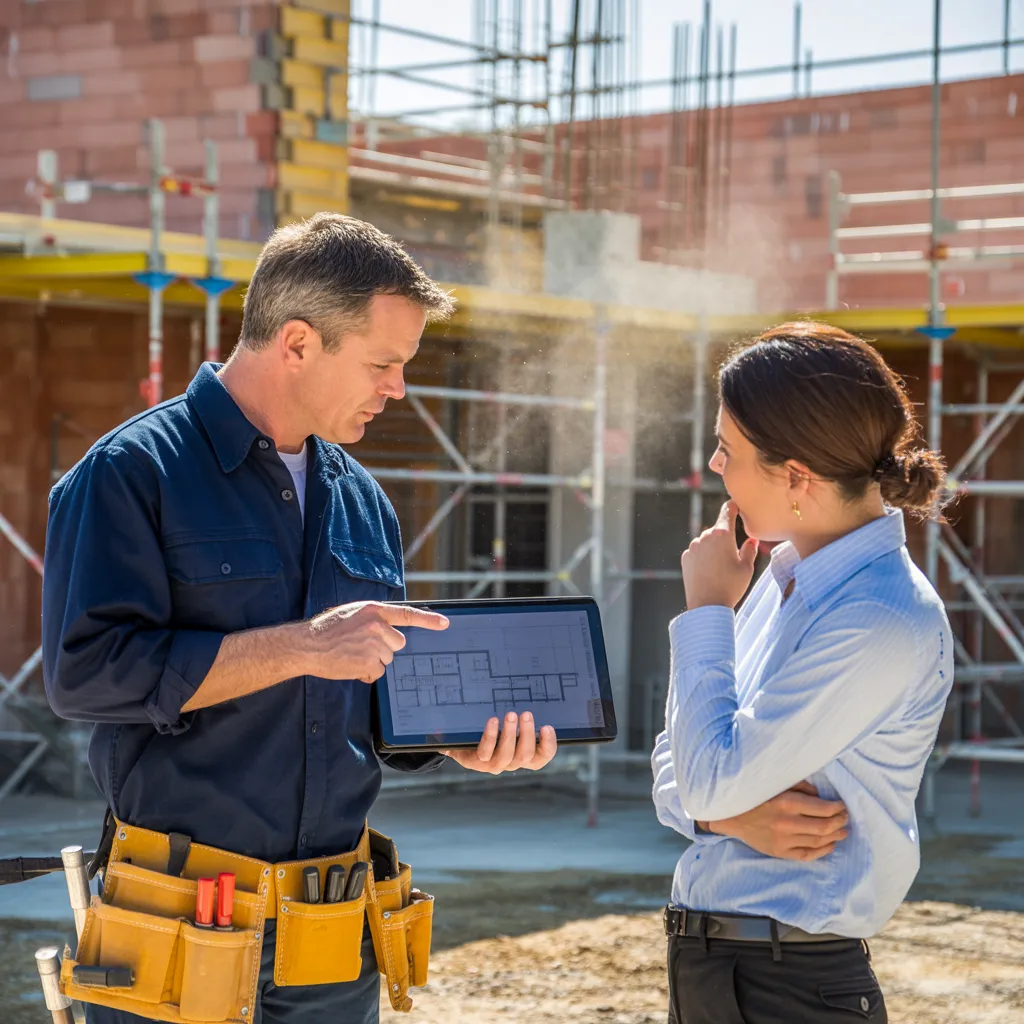
Start by Outlining Your Renovation Goals
When beginning a renovation project, establishing clear objectives is essential for success. It enables homeowners to communicate their vision effectively, organize their priorities, and distribute resources efficiently. Objectives should include not only design preferences but also functional requirements, budgetary restrictions, and timelines. By defining precise goals, such as maximizing available living space or boosting overall energy efficiency, homeowners can create a focused plan that steers the complete renovation journey.
In addition, including all key parties during the initial goal-setting stage confirms that all expectations are in agreement. This team-oriented strategy reduces confusion and encourages a common sense of mission. At its core, clearly established renovation objectives serve as a roadmap, enabling homeowners to form well-grounded judgments and assess prospective contractors with greater precision. By building a firm base using precise objectives, the probability of a favorable outcome improves markedly, resulting in a rewarding renewal of the home environment.
How to Locate Reputable Contractors
When looking for reliable contractors, individuals often turn to digital directories and platforms that showcase ratings and reviews. Additionally, referrals and local recommendations from friends or family provide valuable insights into a contractor's reliability and quality of work. Combining these resources can result in an informed decision-making process.
Web-Based Directories and Platforms
Steering through the expansive world of online directories and platforms can significantly simplify the search for dependable general contractors. Platforms like Angie's List, HomeAdvisor, and Thumbtack information allow homeowners to explore listings, check feedback, and assess rankings of various contractors. These platforms frequently include verified reviews, revealing information about a contractor's reliability and quality of work. Users can filter searches based on individual criteria, such as job scope and financial parameters. Furthermore, many directories supply in-depth data about each contractor's credentials, including licensing and insurance status. By taking advantage of these platforms, homeowners can optimize their search efforts, connecting with a wider pool of potential candidates while ensuring they make informed decisions when selecting a general contractor for their renovation projects.
Local Suggestions and Referrals
How can homeowners find trustworthy general contractors in their local area? One practical strategy is to gather recommendations and referrals from the local community. Neighbors, friends, and family who have recently gone through home renovations can share meaningful feedback about their contractor experiences. Furthermore, neighborhood apps, social media groups, and local community boards frequently host conversations and recommendations about trustworthy professionals. Homeowners can benefit from stopping by local trade supply centers or hardware stores, where knowledgeable employees might point them toward contractors experienced in the region. Visiting home improvement events provides a valuable chance to engage with contractors directly and learn more about their services. By leveraging these local networks, homeowners can enhance their chances of finding a qualified general contractor for their renovation projects.
Important Credentials to Check in a General Contractor
A competent general contractor needs to demonstrate a number of key qualifications that establish trust in their capabilities. Above all else, a valid license is critical; it ensures adherence to local codes and requirements. In addition, evidence of adequate insurance, comprising liability and worker's compensation policies, safeguards both the contractor and the homeowner against unanticipated occurrences during the construction process.
In addition, a building contractor should offer client references, displaying their proven record of completed projects. Certifications from established industry bodies can also signify specialized knowledge or qualifications in certain fields of construction.
Moreover, it is essential to ensure that the contractor has a positive standing with the Better Business Bureau, showcasing their credibility within the local community. By validating these credentials, homeowners and property owners can significantly mitigate associated risks related to hiring a professional contractor, creating the foundation for a smoother and more successful home renovation experience.
Analyzing Contractor Estimates: Important Factors
When evaluating contractor bids, several key factors merit attention. Reviewing project scope specifics guarantees that all aspects of the job are covered, while reviewing material quality assessments can reveal potential long-term costs. Moreover, a thorough review of completion timelines aids in establishing reasonable milestones for completing the project.
Review Project Scope Information
What key factors should one examine when assessing project scope specifics in contractor estimates? To begin, precision in the scope outline is vital; all contractors ought to deliver a comprehensive list of tasks to be executed. Furthermore, timeframes should be thoroughly established, including start and completion dates, as well as milestones. It is equally important to evaluate workforce expenses and the quantity of personnel dedicated to the job, since this directly affects overall productivity. Beyond that, homeowners should examine how each contractor manages possible alterations or unpredicted complications within the project parameters. In closing, understanding payment terms and conditions can prevent surprises later on. By prioritizing these considerations, residents can arrive at well-informed conclusions when picking the ideal contractor for their home improvement requirements.
Assess Material Quality Estimates
Evaluating material quality estimates is vital for property owners seeking to secure the lasting quality and overall appearance of their renovation projects. When examining quotes from contractors, it is important to carefully examine the kinds of materials listed. High-quality materials may carry a greater initial investment but can result in significant savings over time through longevity and lower maintenance requirements. Homeowners should look into the brands and origins of the materials used, as well as warranties provided. Moreover, it's essential to be aware of the implications of using inferior materials, which might negatively affect the overall quality of the renovation. By thoroughly reviewing these quotes, renovation planners can arrive at sound decisions that suit their financial plan and future objectives.
Thoroughly Assess Timeline Proposals
A careful examination of proposed timelines is important for homeowners looking to comprehend the range and structure of their renovation projects. Reviewing these schedules helps uncover possible obstacles and ensures that the contractor's expectations align with the homeowner's vision. Homeowners should review the suggested start and finish dates, as well as important benchmarks throughout the project. It is also important to take into account any provisions for unexpected setbacks, which can impact the overall timeline. Transparent communication about these elements can avoid confusion down the line. Additionally, homeowners should review proposals from various contractors to gauge realism and feasibility. A carefully planned timeline not only improves project oversight but also fosters trust between the homeowner and the contractor, setting a solid foundation for collaboration.
Why Communication With Your General Contractor Matters
Clear communication with a general contractor is crucial, as it establishes the groundwork for a successful project. Transparent dialogue confirms that both parties are informed about project goals, timelines, and expectations. Regular updates and open channels for questions can alleviate misunderstandings, reducing the likelihood of costly errors.
Additionally, strong communication cultivates a cooperative atmosphere, enabling homeowners to voice their needs and concerns. This candid exchange can generate forward-thinking resolutions that match the homeowner's goals while staying within financial boundaries.
Establishing a plan for communication early on, covering preferred methods and frequency of updates, can enhance the collaborative relationship. All parties involved should be comfortable navigating any challenges and adjustments that may arise. At the end of the day, effective communication not only enables smoother project execution but also establishes trust, which is essential for navigating the intricacies of residential renovations.
Ways to Verify References and Past Projects
How do homeowners make certain they hire a dependable general contractor? A key measure is confirming references and evaluating completed projects. Property owners should obtain a list of former clients and dedicate time to getting in touch with them. Inquiries should focus on the contractor's reliability, quality of work, and adherence to timelines and budgets.
Furthermore, homeowners can ask for visual documentation of previously completed jobs to evaluate the builder's style and craftsmanship. Inspecting current job sites offers additional perspective on the contractor's professionalism and organization.
Online ratings and reviews on platforms like Google and Yelp can also supply useful information. Homeowners should be cautious of contractors with persistently unfavorable ratings or limited transparency. By thoroughly vetting past work and references, homeowners can make informed decisions, minimizing the risk of bringing on inexperienced professionals and making certain their renovation aims are fulfilled efficiently.
Key Questions to Ask Before Signing a Contract
False assumptions can lead to costly mistakes in residential renovations. Before entering into a contract with a general contractor, homeowners ought to raise key questions to establish clear expectations and alignment. To begin, ask about the contractor's background with comparable projects to evaluate their proficiency. Understanding the project timeline and possible delays is essential. Homeowners would also benefit from asking about payment terms and the factors that contribute to additional expenses.
Establishing the scope of work is essential; homeowners need to know exactly what is covered. Homeowners should request specifics about third-party workers and their expertise, as this can affect the standard of work. Furthermore, knowing the warranty on work completed can avoid problems down the line.
In addition, residents should verify the builder's insurance and licensing to avoid liabilities. These key considerations will support informed decisions, supporting a more streamlined remodeling experience.
Questions Our Clients Often Ask
How Much Time Does a Standard Home Renovation Usually Take?
A typical home renovation can span weeks to several months, subject to the project's scope, complexity, and the availability of materials and contractors, impacting the overall timeline considerably.
What Should I Do When My Contractor Exceeds the Budget?
If a contractor exceeds the budget, the homeowner should review the contract, address the reasons behind the budget excess, and seek practical resolutions. Open communication and detailed documentation play a vital role in successfully addressing financial discrepancies.
Can I Remain in My House Throughout the Renovation Process?
Indeed, it is possible to stay in their house during remodeling projects, but it generally varies based on the scope of work. Direct communication with the construction team and anticipating interruptions are important to limit discomfort and ensure proper safety standards.
What Can I Do if My Contractor Misses Deadlines?
Should a contractor fail to meet agreed deadlines, it may result in project delays, increased costs, and potential disputes. Property owners should carefully review the contract terms and address their concerns to reach a resolution or pursue alternative measures.
What Should I Do When Disputes Arise With My Contractor?
To resolve disputes with a contractor, one should keep a record of all communications, carefully review the contract terms, and maintain open communication. Should the issue remain unresolved, consulting a mediator or legal expert could be essential to secure a favorable settlement.